Empathy: The Secret Ingredient in Your Child's Growth Recipe

Rechelle McNair • November 17, 2024

Hey there parents! Let's chat about something that's been on my mind lately. Remember that time your little one turned the supermarket into their personal playground? Yeah, we've all been there. But what if I told you that those chaotic moments could be the perfect recipe for helping your child grow in ways you never imagined?

The Empathy Lightbulb Moment: More Than Just Good Manners

Picture this: I'm in a massive Texas supermarket with my two, aged 7 and 9. They're bouncing off the walls, high on the sight of more cereals than they've ever seen in their lives. Meanwhile, I'm watching the faces of other shoppers, thinking, "Crikey, these people just want to grab their dinner and go home!"

That's when it hit me. I stopped my little monkeys in their tracks and said, "Hey, your actions are affecting other people." Simple, right? But let me tell you, it was like I'd flipped a switch in their brains.

Now, I'm no parenting guru, but I reckon I stumbled onto something pretty special that day. It turns out, this little lesson in empathy wasn't just about teaching good manners. Nope, it was tapping into something much bigger – something that touches every part of how our kids grow and learn.


The Fab Four of Growing Up: It's All Connected!

So, here's the deal. When we're raising our kids, we're juggling four big areas of their development:

  1. Physical (you know, the bit that has them climbing everything in sight)
  2. Cognitive (all that brain stuff)
  3. Social (making friends and playing nice)
  4. Emotional/Spiritual (feelings and the big questions)

Now, here's the kicker – empathy, that magical ability to understand how others feel, it's like the secret sauce that brings all these areas together. Let me break it down for you.


Moving and Grooving with Care

Remember those supermarket acrobatics? Teaching kids to be aware of others doesn't just stop them from knocking over the baked beans. It helps them:

  • Navigate spaces without bumping into everyone (a win for playground harmony!)
  • Play team sports without accidentally taking out their teammates
  • Dance like nobody's watching... while actually making sure nobody gets kicked


Brain Power: It's Not All About Times Tables

When your child puts themselves in someone else's shoes, they're flexing some serious mental muscles:

  • They're problem-solving: "How can I help my friend who's feeling sad?"
  • They're using their imagination: "I wonder how the postie feels delivering in the rain?"
  • They're remembering past experiences to understand others better

It's like a gym workout for their brain, but way more fun!


Friends, Romans, Countrymen... and Classmates

Let's face it, life's one big social experiment. Empathy is your child's VIP pass to:

  • Making friends faster than you can say "playdate"
  • Sorting out squabbles without you having to referee
  • Working in teams without it turning into World War III
  • Understanding why their little sister is upset about the blue cup (even if they think it's silly)


Feelings: Not Just for Hallmark Cards

Empathy is the heart of emotional growth. It helps our kids:

  • Get a handle on their own feelings (no more mystery meltdowns... well, fewer at least)
  • Feel connected to something bigger than themselves
  • Bounce back when life gets tough
  • Spread kindness like it's going out of style (which it never will)


Life Skills: Empathy's Got Your Back

In this wild world we're sending our kids into, they need some serious skills. Good news – empathy's got them covered:

  1. Teamwork makes the dream work: Empathetic kids are collaboration superstars.
  2. Talking the talk: Understanding others makes for ace communicators.
  3. Thinking outside the box: Seeing different perspectives? Hello, critical thinking!
  4. Creativity central: Walking in someone else's shoes sparks some pretty cool ideas.


Let's Get Hands-On: Empathy in Action

Now, I know what you're thinking. "This all sounds great, but how do I actually do this?" Don't worry, I've got some ideas that are more fun than a barrel of monkeys:

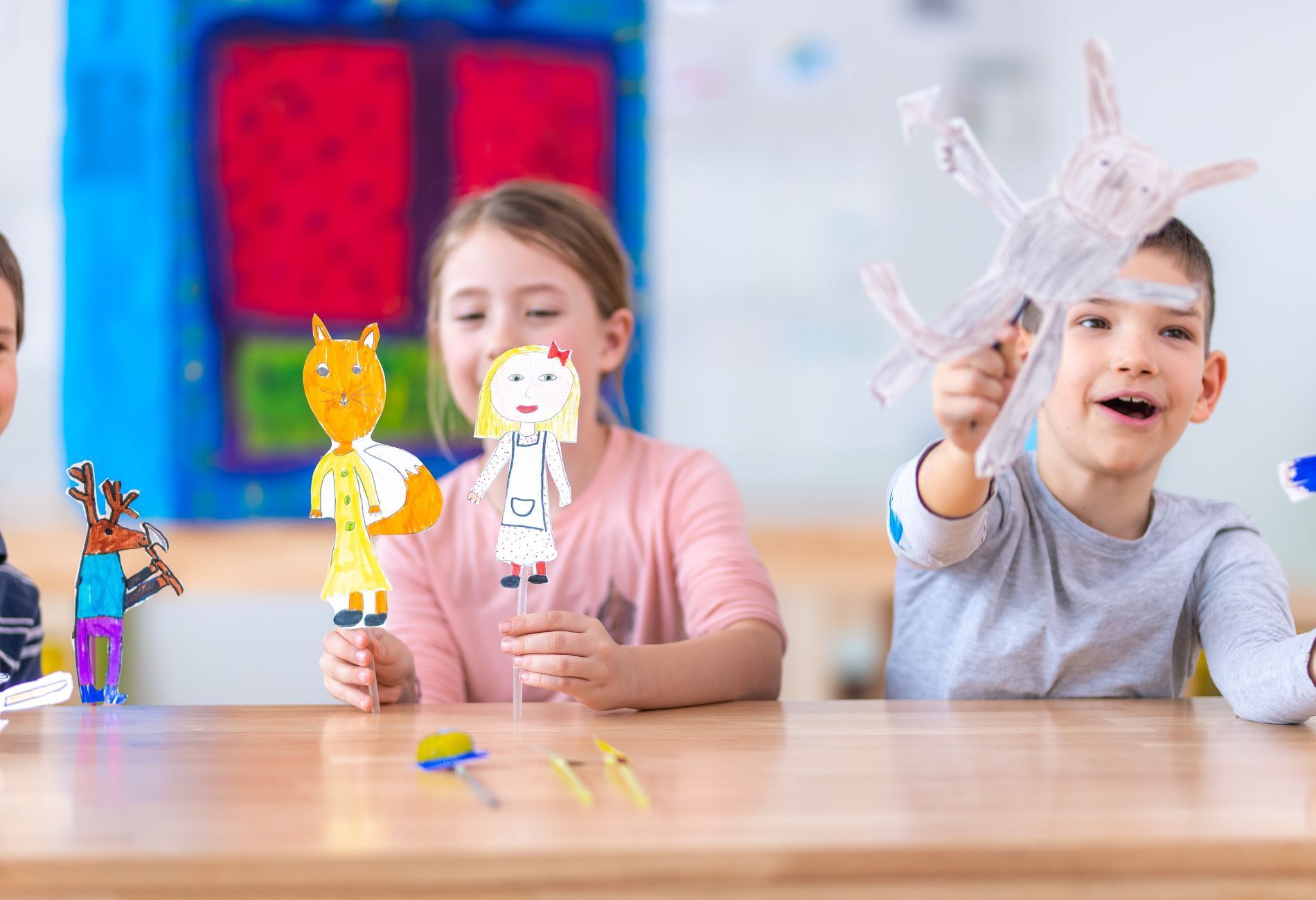
  1. Play pretend: Turn your living room into a bustling café or a busy hospital. Watch how quickly they start thinking about others!
  2. Community helpers: Get involved in local projects. Nothing beats seeing those little faces light up when they realise they've made a difference.
  3. Emotion detectives: Next time you're out and about, play a game of "spot the feeling." It's like I Spy, but for emotions!
  4. Art attack: Get creative together, but here's the twist – they have to include everyone's ideas. Compromise has never been so colourful!
  5. Nature nurturers: Take a walk and imagine how trees or animals might be feeling. It's a great way to connect empathy with the world around us.


Empathy Boosters: Resources at Your Fingertips

If you're keen to dive deeper (and I hope you are!), I've got some goodies up my sleeve:

  1. Empathy Activity Packs: Downloadable fun that'll keep the kids entertained and growing.
  2. Growth Tracker: An online tool to see how your little one's progressing. It's like a baby book, but cooler.
  3. Teacher's Empathy Toolkit: For all you amazing educators out there – this one's for you!
  4. Family Empathy Challenge: 30 days of bringing the family closer. Warning: may result in excessive hugging.
  5. Real Kids, Real Empathy: A video series showing empathy in action. It's like reality TV, but actually good for you!


The Big Picture: Changing the World, One Empathetic Kid at a Time

Here's the thing – when we raise kids who really get empathy, we're not just making our lives easier (though that's a nice bonus). We're raising little world-changers. These kids grow up to be adults who:

  • Respect others' personal space (goodbye, close talkers!)
  • Come up with solutions that work for everyone
  • Build relationships that could outlast a zombie apocalypse
  • Have the emotional smarts to weather any storm

So, the next time your kid turns the grocery store into a circus, take a deep breath. Remember, it's not just about keeping the peace – it's about piecing together the building blocks of a pretty amazing human being.

By focusing on empathy, we're not just raising good kids. We're nurturing the kind of people who'll make the world a little bit better, one understanding smile at a time. And let's be honest, couldn't we all use a bit more of that?

Now, if you'll excuse me, I've got to go referee a debate over who gets the last biscuit. Wish me luck – I'm going in with empathy as my secret weapon!


Share

By Rechelle McNair September 25, 2024
Seven Research-Backed Strategies to Nurture Emotional Strength and Adaptability in the Next Generation
By Rechelle McNair September 12, 2024
Empathy: The Hidden Key to Unlocking Your Child's Full Potential In the bustling aisles of a Texas supermarket, a Kiwi mum stumbled upon a profound truth about parenting and child development. As her excited children bounced around like "wild monkeys," she uttered a simple yet powerful statement: "Your actions are affecting other people." Little did she know, this impromptu lesson in empathy would illuminate the path to holistic child development and showcase the interconnectedness of physical, cognitive, social, and emotional growth. The Four Pillars of Child Development: A Holistic Approach At the heart of effective child development lies a comprehensive approach that addresses four crucial pillars: Physical Cognitive Social Emotional/Spiritual These pillars don't exist in isolation; they're intricately connected, with empathy serving as a thread that weaves them all together. Let's explore how empathy supports each pillar and contributes to the development of essential life skills. Physical Development: Moving with Mindfulness While empathy might not seem directly related to physical development, it plays a crucial role in how children interact with their environment and others in physical spaces. Remember our supermarket scenario? The children's physical exuberance was affecting those around them. By learning to be empathetic, children become more aware of their bodies in relation to others, leading to: Improved spatial awareness Better coordination in group activities Safer play environments More inclusive physical games and sports Cognitive Development: Thinking Beyond Oneself Empathy is a cognitive skill that requires complex thought processes. When children practice empathy, they're exercising crucial cognitive muscles: Perspective-taking: Imagining how others might feel Problem-solving: Finding ways to help or accommodate others Abstract thinking: Understanding emotions and motivations Memory: Recalling past experiences to relate to others By encouraging empathy, we're not just fostering emotional intelligence; we're boosting overall cognitive development. Social Development: Building Bridges, Not Walls The social benefits of empathy are perhaps the most obvious. Empathetic children are better equipped to: Form meaningful friendships Resolve conflicts peacefully Work effectively in teams Understand and respect diverse perspectives Our supermarket lesson is a perfect example of how empathy enhances social awareness and promotes harmonious interactions. Emotional/Spiritual Development: Nurturing Inner Growth Empathy is at the core of emotional and spiritual development. It helps children: Recognize and manage their own emotions Develop a sense of purpose and connection to others Build resilience by understanding shared human experiences Cultivate compassion and kindness By teaching children to consider others' feelings, we're helping them develop a rich inner life and a strong moral compass. Essential Skills for the 21st Century: Empathy as the Foundation In today's rapidly changing world, certain skills are crucial for success. Empathy underpins many of these essential abilities: Collaboration: Empathetic children work better in teams, understanding and valuing diverse contributions. Communication: By considering others' perspectives, children become more effective communicators. Critical Thinking: Empathy encourages children to question assumptions and consider multiple viewpoints. Creativity: Understanding others' needs and experiences can spark innovative solutions and ideas. Hands-On Learning: Bringing Empathy to Life While theoretical understanding is important, true empathy is best developed through hands-on, experiential learning. Here are some activities that promote empathy while engaging all four developmental pillars: Role-Playing Games: Encourage children to act out scenarios from different perspectives, engaging their physical, cognitive, and social skills. Community Service Projects: Participate in age-appropriate volunteer activities, allowing children to see the direct impact of their empathetic actions. Emotion Scavenger Hunt: In public spaces, ask children to quietly observe and identify different emotions in people around them, fostering cognitive and social awareness. Collaborative Art Projects: Work on group art pieces where children must consider and incorporate others' ideas, promoting creativity and empathy. Nature Empathy Walks: Take walks in nature, encouraging children to imagine how animals and plants might "feel" in different situations, bridging emotional and spiritual connection with the environment. Resources for Empathy-Based Holistic Development To support parents and educators in this empathy-centered approach to holistic development, consider offering: Empathy-Building Activity Packs: Downloadable resources with games and exercises that target all four developmental pillars. Holistic Development Tracker: An online tool for parents to monitor their child's progress across all four pillars, with empathy milestones included. Educator's Guide to Empathy Integration: A comprehensive guide showing how to incorporate empathy-building into various subjects and activities. Family Empathy Challenge: A 30-day program with daily activities designed to boost empathy and strengthen family bonds. Empathy in Action Video Series: Short, engaging videos showcasing real-life examples of children using empathy to navigate physical, cognitive, social, and emotional challenges. The Ripple Effect: Empathy as a Catalyst for Change By nurturing empathy within the framework of holistic development, we're not just raising well-rounded individuals; we're cultivating a generation of changemakers. Empathetic children grow into adults who are: Physically aware and respectful of others' space and needs Cognitively flexible and open to diverse ideas Socially adept and able to build strong, positive relationships Emotionally intelligent and spiritually grounded These qualities form the bedrock of a more compassionate, innovative, and cooperative society. So, the next time you find yourself in a chaotic situation like our Kiwi mum in the Texas supermarket, remember: you're not just teaching a lesson in behaviour. You're laying the foundation for your child's holistic development and contributing to a more empathetic world. By embracing this approach, we can help our children navigate the complexities of the modern world with confidence, compassion, and a deep understanding of their place within it. After all, in the tapestry of child development, empathy isn't just a single thread – it's the very fabric that holds everything together.