

BLOG POSTS
Dive into our latest ponderings on making the world a more curious, kind, and credible place for our kids.

Love Tough parenting helps children learn from choices and consequences, building independence, resilience and the confidence to make wiser decisions.

Explore why healthy masculinity matters and how parents can raise boys who are strong, kind, resilient and compassionate while embracing true equality.

Resilience isn't a lottery — it's a savings account. Rechelle McNair shares how intentional parenting through life's challenges shaped her son Logan's extraordinary response to tragedy, and what it means to truly bounce back.
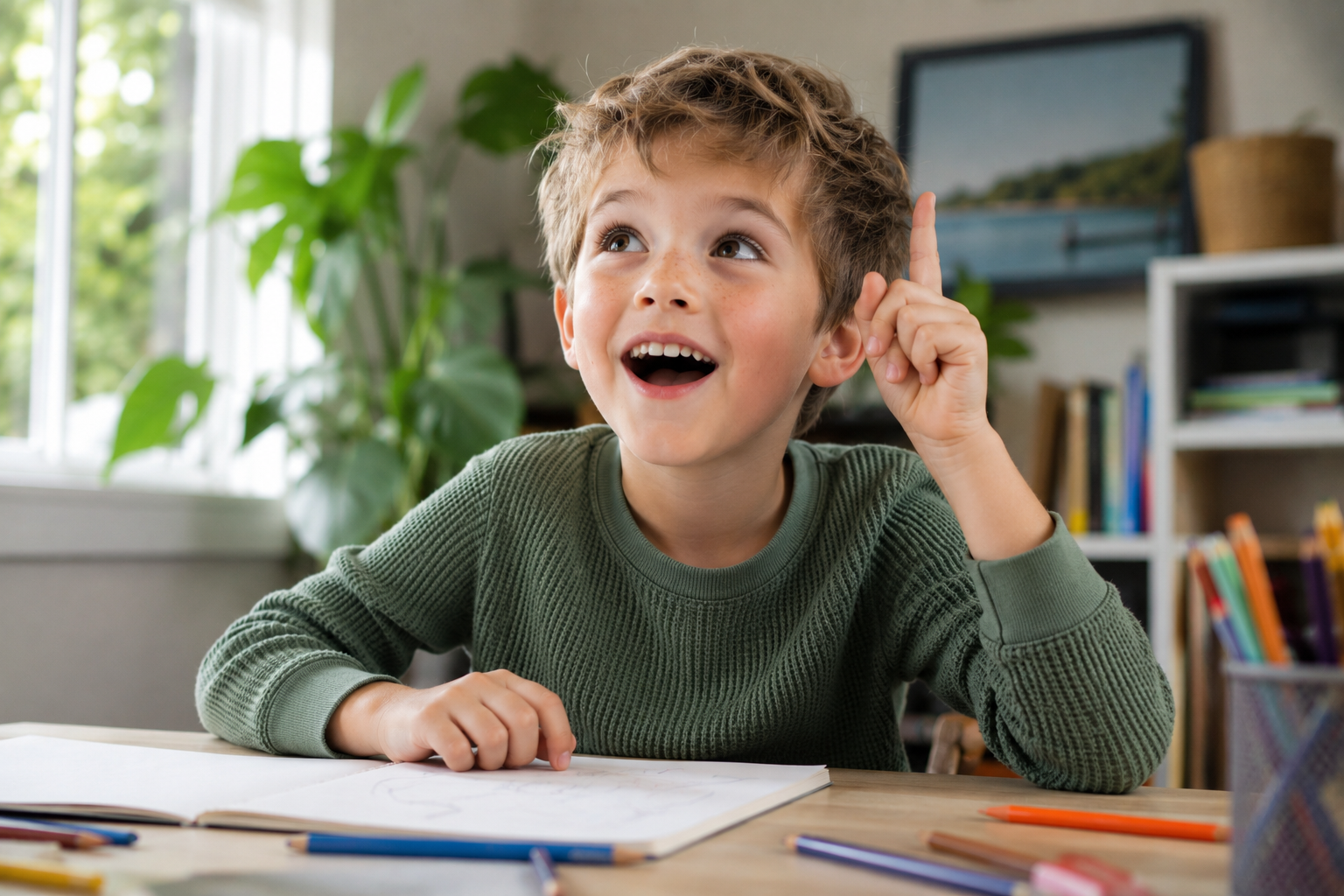
What if the words you use could change your child's future? Rechelle McNair explores the difference between fixed and growth mindsets — and why tying effort to outcomes is one of the most powerful things a parent can do.
When other adults help guide our kids, it’s not criticism, it’s community. Here’s why building a trusted Tribe helps raise kind, respectful Kiwi kids.

Why Reading Aloud to Your Kids Still Matters (At Every Age)
From toddlers to teens, reading together is about more than just literacy—it’s about connection. Discover tips for reading with preschoolers, primary kids, and middle schoolers.

Hey there parents! Let's chat about something that's been on my mind lately. Remember that time your little one turned the supermarket into their personal playground? Yeah, we've all been there. But what if I told you that those chaotic moments could be the perfect recipe for helping your child grow in ways you never imagined?
Seven Research-Backed Strategies to Nurture Emotional Strength and Adaptability in the Next Generation
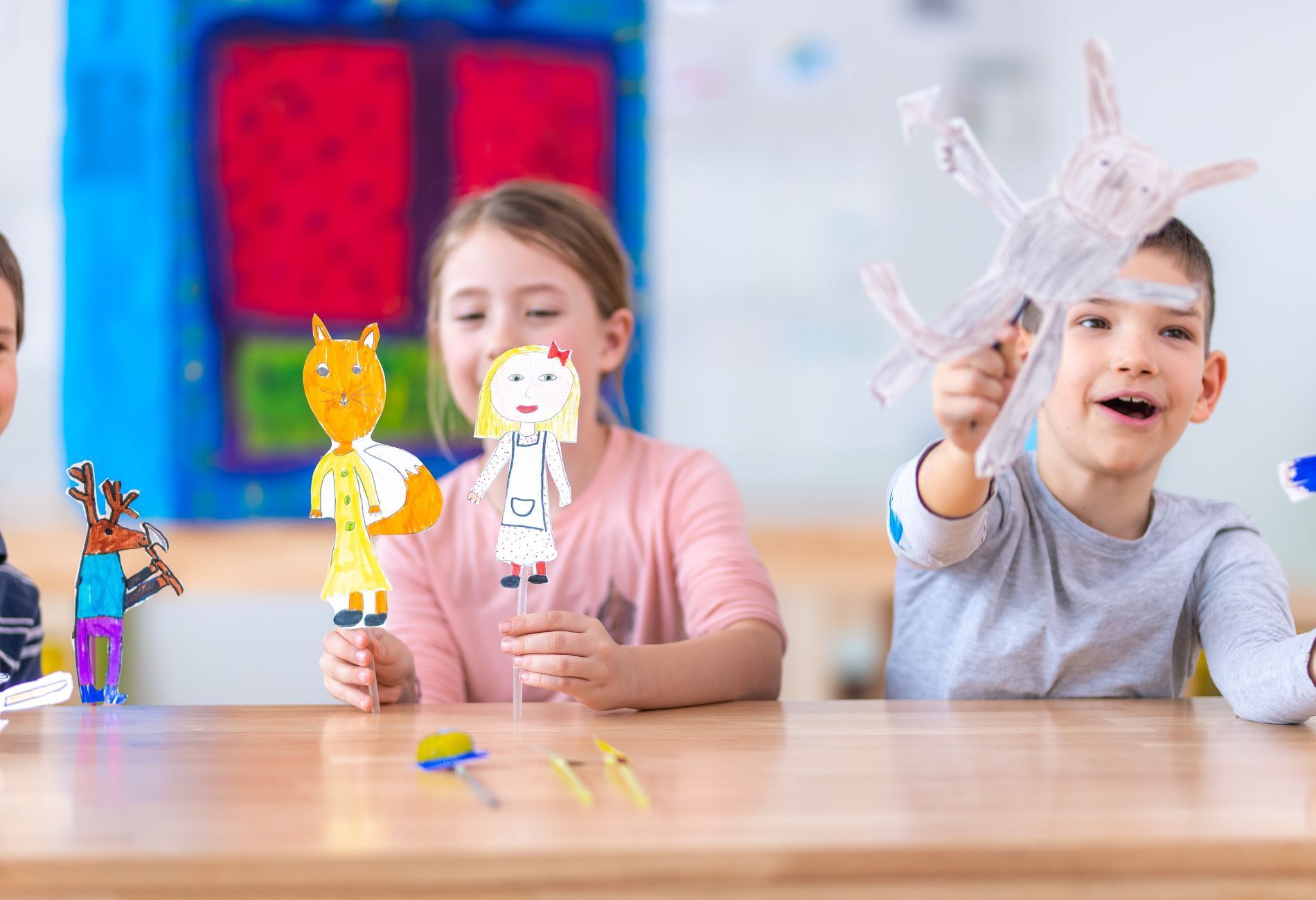
Empathy: The Hidden Key to Unlocking Your Child's Full Potential In the bustling aisles of a Texas supermarket, a Kiwi mum stumbled upon a profound truth about parenting and child development. As her excited children bounced around like "wild monkeys," she uttered a simple yet powerful statement: "Your actions are affecting other people." Little did she know, this impromptu lesson in empathy would illuminate the path to holistic child development and showcase the interconnectedness of physical, cognitive, social, and emotional growth. The Four Pillars of Child Development: A Holistic Approach At the heart of effective child development lies a comprehensive approach that addresses four crucial pillars: Physical Cognitive Social Emotional/Spiritual These pillars don't exist in isolation; they're intricately connected, with empathy serving as a thread that weaves them all together. Let's explore how empathy supports each pillar and contributes to the development of essential life skills. Physical Development: Moving with Mindfulness While empathy might not seem directly related to physical development, it plays a crucial role in how children interact with their environment and others in physical spaces. Remember our supermarket scenario? The children's physical exuberance was affecting those around them. By learning to be empathetic, children become more aware of their bodies in relation to others, leading to: Improved spatial awareness Better coordination in group activities Safer play environments More inclusive physical games and sports Cognitive Development: Thinking Beyond Oneself Empathy is a cognitive skill that requires complex thought processes. When children practice empathy, they're exercising crucial cognitive muscles: Perspective-taking: Imagining how others might feel Problem-solving: Finding ways to help or accommodate others Abstract thinking: Understanding emotions and motivations Memory: Recalling past experiences to relate to others By encouraging empathy, we're not just fostering emotional intelligence; we're boosting overall cognitive development. Social Development: Building Bridges, Not Walls The social benefits of empathy are perhaps the most obvious. Empathetic children are better equipped to: Form meaningful friendships Resolve conflicts peacefully Work effectively in teams Understand and respect diverse perspectives Our supermarket lesson is a perfect example of how empathy enhances social awareness and promotes harmonious interactions. Emotional/Spiritual Development: Nurturing Inner Growth Empathy is at the core of emotional and spiritual development. It helps children: Recognize and manage their own emotions Develop a sense of purpose and connection to others Build resilience by understanding shared human experiences Cultivate compassion and kindness By teaching children to consider others' feelings, we're helping them develop a rich inner life and a strong moral compass. Essential Skills for the 21st Century: Empathy as the Foundation In today's rapidly changing world, certain skills are crucial for success. Empathy underpins many of these essential abilities: Collaboration: Empathetic children work better in teams, understanding and valuing diverse contributions. Communication: By considering others' perspectives, children become more effective communicators. Critical Thinking: Empathy encourages children to question assumptions and consider multiple viewpoints. Creativity: Understanding others' needs and experiences can spark innovative solutions and ideas. Hands-On Learning: Bringing Empathy to Life While theoretical understanding is important, true empathy is best developed through hands-on, experiential learning. Here are some activities that promote empathy while engaging all four developmental pillars: Role-Playing Games: Encourage children to act out scenarios from different perspectives, engaging their physical, cognitive, and social skills. Community Service Projects: Participate in age-appropriate volunteer activities, allowing children to see the direct impact of their empathetic actions. Emotion Scavenger Hunt: In public spaces, ask children to quietly observe and identify different emotions in people around them, fostering cognitive and social awareness. Collaborative Art Projects: Work on group art pieces where children must consider and incorporate others' ideas, promoting creativity and empathy. Nature Empathy Walks: Take walks in nature, encouraging children to imagine how animals and plants might "feel" in different situations, bridging emotional and spiritual connection with the environment. Resources for Empathy-Based Holistic Development To support parents and educators in this empathy-centered approach to holistic development, consider offering: Empathy-Building Activity Packs: Downloadable resources with games and exercises that target all four developmental pillars. Holistic Development Tracker: An online tool for parents to monitor their child's progress across all four pillars, with empathy milestones included. Educator's Guide to Empathy Integration: A comprehensive guide showing how to incorporate empathy-building into various subjects and activities. Family Empathy Challenge: A 30-day program with daily activities designed to boost empathy and strengthen family bonds. Empathy in Action Video Series: Short, engaging videos showcasing real-life examples of children using empathy to navigate physical, cognitive, social, and emotional challenges. The Ripple Effect: Empathy as a Catalyst for Change By nurturing empathy within the framework of holistic development, we're not just raising well-rounded individuals; we're cultivating a generation of changemakers. Empathetic children grow into adults who are: Physically aware and respectful of others' space and needs Cognitively flexible and open to diverse ideas Socially adept and able to build strong, positive relationships Emotionally intelligent and spiritually grounded These qualities form the bedrock of a more compassionate, innovative, and cooperative society. So, the next time you find yourself in a chaotic situation like our Kiwi mum in the Texas supermarket, remember: you're not just teaching a lesson in behaviour. You're laying the foundation for your child's holistic development and contributing to a more empathetic world. By embracing this approach, we can help our children navigate the complexities of the modern world with confidence, compassion, and a deep understanding of their place within it. After all, in the tapestry of child development, empathy isn't just a single thread – it's the very fabric that holds everything together.
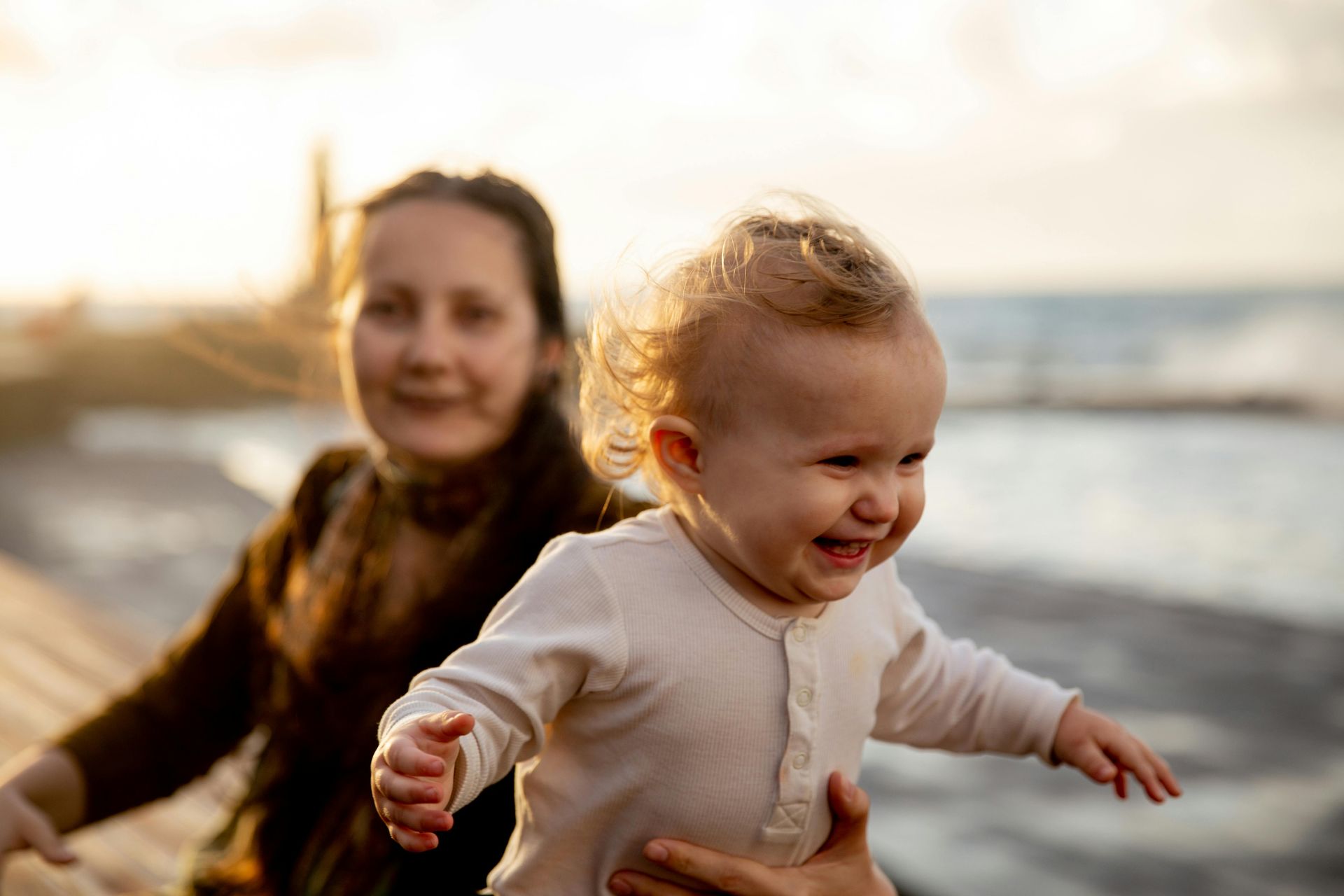
"Mums of all kinds, we rock!" A personal reflection on the joy and fear of becoming a mother, the irreplaceable role of our own mums, and the strength we gather from our life experiences to guide the next generation.